From Independent Driver to Business Owner
Many independent truck drivers start their journey with one main goal: earning more and gaining freedom. In the early stages, focusing on miles, loads, and daily income feels enough.
Over time, however, reality sets in. Fuel prices increase, maintenance becomes frequent, insurance renewals hit hard, and payment delays affect cash flow.
At this stage, driving alone is no longer the problem. The real challenge becomes managing the business side of trucking.
“This is where an owner-operator trucking business mindset becomes essential. Instead of thinking only like a driver, owner-operators must think like business owners.”
Every decision impacts profitability, stability, and growth. This guide is written as a continuation of the independent truck driver journey.
It focuses on how to structure operations, control costs, manage cash flow, and build a trucking business that remains profitable in the long run.

________________________________________________________________________________________________
TL;DR:
- An owner-operator trucking business requires a shift from driving-focused work to business-focused decision-making, where profitability, planning, and cost control matter more than miles alone.
- Real success depends on understanding operational costs like fuel, insurance, maintenance, and compliance, since high revenue does not always mean high profit.
- Choosing the right freight through smart load selection, strong broker relationships, and effective load negotiation directly impacts income stability and long-term sustainability.
- Cash flow management is critical, as expenses are immediate while payments are often delayed, making planning and reserves essential for steady operations.
- Using structured systems and the right tools helps owner-operators reduce paperwork, improve efficiency, and build a trucking business that can grow sustainably over time.
________________________________________________________________________________________________
What Is an Owner-Operator Trucking Business?
An owner-operator trucking business is a self-managed operation where the driver owns or leases their truck and takes responsibility for all aspects of the business.
This includes freight selection, equipment management, compliance, insurance, and financial planning.
A truck owner operator may operate under their own trucking authority or lease onto another carrier, but the core responsibility remains the same.
Unlike company drivers, owner-operators make decisions that directly affect profit and risk. Choosing the wrong contract, delaying maintenance, or mismanaging expenses can quickly lead to losses.
On the other hand, smart planning and disciplined operations can lead to consistent income and long-term growth. Running an owner-operator trucking business requires understanding both driving and business fundamentals, making balance a key factor in success.
Independent Truck Driver vs Owner-Operator: Key Business Differences
An independent truck driver often focuses on completing loads and maximizing weekly income. In many cases, major costs such as insurance or maintenance are partially handled by another party. An owner-operator, however, carries full responsibility.
Truck driver income becomes variable and depends heavily on business decisions.
Owner-operators must manage trucking expenses like fuel, repairs, permits, and insurance. They also handle scheduling, paperwork, and compliance.
While this increases workload, it also increases control. Owner-operators decide which loads to accept, which lanes to run, and which brokers to work with.
This control allows them to avoid low-margin freight and focus on long-term profitability. The trade-off is higher responsibility, but for many self-employed truckers, the reward outweighs the risk.

Understanding Profitability in an Owner-Operator Trucking Business
Profitability is the foundation of any successful owner-operator trucking business. Many drivers confuse revenue with profit, which leads to poor decision-making.
High-paying loads may look attractive, but if fuel, tolls, and maintenance consume most of the income, the result is low or negative profit.
“Owner-operators must understand cost per mile and net income. Operational costs include fuel, insurance, truck payments, maintenance, permits, and downtime.”
Tracking these numbers consistently helps identify which lanes and contracts are actually profitable. Trucking business profitability improves when decisions are based on data instead of assumptions.
Small adjustments, such as avoiding inefficient routes or renegotiating rates, can significantly improve long-term results.
Core Expenses Every Owner-Operator Must Control
Several Core expenses need to be taken into account in an owner-operator trucking business.
Fuel is one of the largest expenses for any owner-operator. Poor fuel cost management can quickly erase profits.
Route planning, reduced idling, and disciplined driving habits all help lower fuel consumption. Using fuel programs and monitoring price trends can also improve cost control.
Insurance for truckers is another major expense. Coverage is required for liability, cargo, and physical damage.
Choosing the right coverage without overpaying requires comparing providers and understanding actual risk exposure.
Truck maintenance planning is equally important. Preventive maintenance reduces breakdowns and protects income by minimizing downtime.
Other expenses include permits, registration, and DOT compliance costs. Failing to meet compliance requirements can lead to fines or operational shutdowns.
Successful owner-operators plan for unexpected expenses by maintaining emergency reserves.
“Controlling trucking expenses is not optional. It is the difference between stability and constant financial stress.”
Freight Strategy: Choosing the Right Loads and Contracts
Freight strategy plays a major role in income consistency and profitability. Owner-operators can choose between spot freight and long-term freight contracts.
Spot loads offer flexibility but fluctuate with market conditions. Contracts provide steady work but may limit rate adjustments.
Strong broker relationships help secure better loads and repeat business. Brokers prefer working with reliable operators who communicate well and deliver on time.
Load negotiation is critical. Accepting low-paying freight often leads to higher wear and tear without meaningful profit.
Freight dispatching decisions should be based on lane performance, delivery timelines, and operating costs.
Owner-operators who understand load capacity optimization and lane profitability reduce empty miles and increase efficiency. A smart freight strategy protects income and reduces burnout.
Cash Flow Management for Owner-Operators
Cash flow management is one of the most common challenges in trucking. Even profitable owner-operators can struggle when payments are delayed.
Fuel, insurance, and repairs require immediate payment, while invoices may take weeks to clear.
Planning for these delays is essential. Many owner-operators use factoring services, fuel cards, or reserve accounts to manage timing gaps.
Tracking truck driver income against outgoing expenses helps maintain control. Preparing for slow weeks or seasonal changes prevents panic decisions.
“Stable cash flow allows owner-operators to focus on growth instead of survival. Without proper planning, even strong revenue can lead to financial stress.”
Operational Systems That Keep the Business Running Smoothly
Efficient systems reduce workload and mistakes. Freight dispatching systems help manage schedules, deliveries, and customer communication.
Organized paperwork for trucking business operations includes contracts, invoices, permits, and compliance documents.
Digital record keeping reduces errors and saves time. Maintenance schedules should be planned around freight demand to avoid lost income.
Simple systems help owner-operators stay organized without becoming overwhelmed. When operations run smoothly, decision-making improves and stress decreases.
Scaling the Owner-Operator Trucking Business
Scaling a trucking business should be done carefully. Growth may involve adding new freight types, expanding lanes, or transitioning into a small fleet.
Scaling a trucking business too quickly can increase risk if systems and cash flow are not ready.
Understanding trucking industry trends helps identify stable growth opportunities. Expansion should improve profitability, not just workload.
Owner-operators should focus on strengthening operations before adding complexity. Smart scaling supports long-term goals and reduces financial risk.
Common Mistakes Owner-Operators Make and How to Avoid Them
Many owner-operators focus only on revenue while ignoring operational costs. Others delay maintenance to save money, which often leads to expensive breakdowns.
Weak broker relationships limit access to quality freight. Poor financial tracking hides problems until they become serious.
Avoiding these mistakes requires discipline and planning. Reviewing performance regularly and maintaining clear systems helps identify issues early. Simple habits prevent costly errors and support long-term success.
How 24/7 Truckin Supports Owner-Operator Trucking Businesses
Running an owner-operator trucking business requires tools that simplify operations and improve visibility.
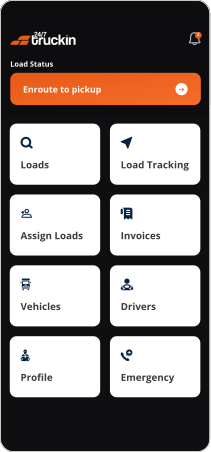
24/7 Truckin supports owner-operators by providing access to a reliable load board, organized freight contract management, and tools that support cash flow management.
By reducing paperwork, improving freight selection, and strengthening broker relationships, the platform helps owner-operators operate more efficiently.
Financial visibility allows better planning, while streamlined operations reduce administrative stress.
With the right tools in place, owner-operators can focus on profitable freight and business growth instead of constant operational issues.
Contact us to learn how we can help you elevate your trucking business.
Building a Sustainable Owner-Operator Trucking Business
A successful owner-operator trucking business is built on planning, discipline, and consistent execution.
Treating trucking as a business rather than just a driving job creates stability and control. Managing expenses, choosing profitable freight, and maintaining steady cash flow protect long-term profitability.
With strong systems and the right support, owner-operators can move beyond short-term income and build a sustainable operation. Long-term success comes from smart decisions, not just long miles.