An independent truck driver is a self-employed professional who owns or leases their truck and operates without being directly employed by a trucking company.
“Unlike company drivers, independent truckers have the freedom to choose their routes, clients, and contracts, making them their own bosses.”
Many truckers choose this path for the potential to earn more, have greater flexibility, and build their own trucking business.
However, being independent also comes with challenges like managing operational costs, securing freight contracts, and handling paperwork for the trucking business.
This guide will cover everything you need to know about becoming an independent truck driver, from understanding truck driver salary expectations to learning business growth strategies for truckers.
Whether you’re just starting or looking to optimize your operations, this guide will help you navigate the financial, legal, and logistical aspects of independent trucking.

________________________________________________________________________________________________
TL;DR:
- Independent truck drivers are self-employed and operate their own trucking business, unlike company drivers who work for a fixed salary.
- They have more freedom and earning potential but also take on more responsibilities, including managing expenses and securing freight contracts.
- Earnings vary based on miles driven, contract rates, and operational costs like fuel, maintenance, and insurance.
- Starting as an independent trucker requires obtaining a CDL, purchasing or leasing a truck, securing permits, and setting up business operations.
- Finding profitable contracts involves using load boards, building broker relationships, and negotiating better rates.
- Managing cash flow and reducing operational costs is essential for long-term success, including strategies like fuel management and preventive maintenance.
- Scaling a trucking business can involve diversifying services, adopting new technology, hiring drivers, and improving branding.
- Common challenges include market fluctuations, cash flow gaps, and regulatory compliance, which can be mitigated with proper planning.
- The future of independent trucking is shaped by e-commerce growth, evolving regulations, and opportunities beyond traditional freight hauling.
- 24/7 Truckin supports independent truckers with essential tools like load boards, contract management, and financial planning to enhance business efficiency and profitability.
________________________________________________________________________________________________
What is an Independent Truck Driver?
An independent truck driver is a self-employed professional who either owns or leases their truck and operates without being directly employed by a company.
Unlike company drivers who work under fixed schedules and employer-set routes, independent truckers have full control over their business decisions, including choosing their clients, negotiating rates, and planning their schedules.
This level of independence offers flexibility in work-life balance and the potential for higher earnings.
However, it also comes with increased responsibilities, such as managing trucking expenses, securing freight contracts, and staying compliant with industry regulations.
“Independent truckers must handle everything from financial planning to truck maintenance, making strong business and organizational skills essential for long-term success.”
For those willing to take on these challenges, independent trucking offers the opportunity to build a thriving career on their own terms, setting the foundation for trucking business success.
What’s the Difference Between Being an Independent Truck Driver and an Employee?
The biggest difference between an independent truck driver and an employee is ownership and authority.
Independent truckers run their own business, either by owning or leasing their truck, while company drivers work under an employer who controls routes, schedules, and wages.
This means independent truckers have more control over their work but also take on greater responsibility.
Earnings and expenses also vary. Company drivers receive a fixed salary or per-mile rate with benefits like insurance and maintenance covered by their employer.
In contrast, independent truckers set their own rates and negotiate freight contracts, but they also manage their own trucking expenses, including fuel, repairs, and insurance.
Freedom comes with additional responsibilities. While independent truckers enjoy choosing their loads and schedules, they also handle paperwork for their trucking business, taxes, and compliance with industry regulations.
This trade-off makes independence appealing for those who want more control over their career.

How Much Do Independent Truck Drivers Make?
The earning potential of an independent truck driver varies based on several factors, including miles driven, types of loads hauled, and negotiated contracts.
“On average, independent truckers can earn anywhere from $50,000 to over $150,000 annually.”
Those who specialize in high-demand freight or long-haul routes often make more.
However, income is not fixed like a company driver’s salary, it depends on business decisions and market conditions.
Expenses play a major role in overall profit. Fuel is one of the highest operational costs, along with truck maintenance, insurance, and licensing fees.
Poor financial planning can quickly reduce earnings, making cost management essential for success.
To increase profitability, independent truckers should focus on negotiating better rates, optimizing routes to save fuel, and keeping maintenance costs low.
Diversifying services, such as offering specialized freight hauling or working with multiple brokers, can also improve earnings and business stability.
What to Consider Before Becoming an Independent Truck Driver?
Becoming an independent truck driver requires careful planning and preparation. One of the biggest considerations is startup costs, which include purchasing or leasing a truck, obtaining insurance, and securing necessary permits.
These initial expenses can be significant, so it’s important to budget accordingly.
“Understanding legal and regulatory requirements is also essential. Independent truckers must comply with DOT regulations, register their business, and obtain an MC number to operate legally.”
Failing to meet these requirements can result in fines or operational delays.
Financial planning is another key factor. Unlike company drivers who receive a steady paycheck, independent truckers experience cash flow fluctuations.
Setting aside funds for slow periods and unexpected expenses is crucial for long-term stability.
Additionally, independent truckers must develop strong business management skills, including load planning and negotiation.
Managing contracts, finding high-paying loads, and optimizing routes can significantly impact overall profitability and business growth.
Steps to Becoming an Independent Truck Driver
Step 1: obtain a CDL license and gain experience
The first step is earning a Commercial Driver’s License (CDL), which is required to operate a commercial truck legally.
Most independent truckers start by working for a company to gain experience, build driving skills, and understand industry operations.
Step 2: decide between leasing or buying a truck
Choosing the right truck is a major decision. Buying a truck offers ownership and long-term cost savings, while leasing provides flexibility with lower upfront costs.
Evaluate financial capacity and long-term goals before making a decision.
Step 3: get necessary permits and insurance
Independent truckers must obtain trucking authority, which includes permits such as an MC number and USDOT number.
Additionally, securing insurance for truckers is mandatory to cover liability, cargo, and vehicle protection.
Step 4: establish a business structure
Decide on a legal structure, such as an LLC or sole proprietorship. An LLC provides liability protection, while a sole proprietorship is easier to set up.
Choosing the right structure helps with taxes and legal compliance.
Step 5: set up load boards and broker relationships
To find work, independent truckers use load boards and develop strong broker relationships. Building a network ensures a steady stream of freight contracts and better-paying loads.
Step 6: manage paperwork and contracts efficiently
Handling paperwork for the trucking business is crucial. Keeping track of contracts, invoices, permits, and tax records ensures smooth operations and prevents legal or financial issues.
How to Find and Secure the Best Contracts
load boards: best platforms for independent truckers
Load boards are essential for independent truckers to find freight quickly. These online platforms connect truckers with available loads from shippers and brokers.
Popular load boards offer real-time updates and allow drivers to choose jobs that match their schedules and rates.
building broker relationships: how to secure repeat business
Developing strong relationships with brokers can lead to consistent work and better-paying loads.
Being reliable, communicating effectively, and delivering on time can help establish trust with brokers, increasing the chances of getting preferred loads.
direct shipper contracts: pros & cons of bypassing brokers
Working directly with shippers eliminates broker fees, leading to higher earnings.
However, securing direct contracts requires networking, marketing, and maintaining strong customer service. While brokers offer convenience, direct contracts provide better long-term stability.
negotiation strategies: how to get the best rates for loads
Effective negotiation is key to maximizing earnings. Researching market rates, factoring in fuel costs and expenses, and knowing when to decline low-paying loads can improve profitability.
Building a reputation for reliability and efficiency also strengthens bargaining power with brokers and shippers.

Managing cash flow and cutting operational costs
tracking income & expenses: importance of bookkeeping
Keeping track of income and expenses is crucial for long-term success as an independent truck driver.
Proper bookkeeping helps with tax deductions, budgeting, and identifying areas to reduce costs. Using accounting software or hiring a professional can streamline financial management.
fuel management: strategies to reduce fuel costs
Fuel is one of the largest expenses in trucking. Reducing speed, minimizing idling, and using fuel discount programs can significantly cut costs.
Planning routes efficiently and avoiding unnecessary detours also help maximize fuel savings.
minimizing maintenance costs: preventive maintenance tips
Regular maintenance prevents costly repairs and keeps the truck running efficiently.
Simple steps like checking tire pressure, changing oil on schedule, and inspecting brakes can prevent unexpected breakdowns. Addressing minor issues early saves money in the long run.
insurance savings: choosing the right coverage without overpaying
Insurance is essential, but overpaying can strain cash flow. Comparing different providers, bundling policies, and maintaining a clean driving record can lower insurance costs.
Understanding coverage needs ensures drivers aren’t paying for unnecessary add-ons while staying fully protected.
Expanding your Business: Scaling as an Independent Truck Driver
diversifying services: freight types and route options
Expanding into different freight types can increase income stability.
Hauling specialized loads like refrigerated goods or hazardous materials often pays more but requires additional permits.
Deciding between regional and long-haul trucking also impacts workload and lifestyle.
investing in technology: essential tools for efficiency
Using technology can improve operations and reduce stress. Load board apps help secure jobs faster, while GPS-based route planning tools optimize fuel efficiency.
Expense tracking apps simplify bookkeeping, and electronic logging devices (ELDs) ensure compliance with regulations.
hiring additional drivers: transitioning to a small fleet
Scaling from a single truck to a small fleet requires careful planning. Hiring reliable drivers and setting up operational policies ensures smooth business expansion.
Investing in additional trucks, securing contracts, and handling payroll are key factors to consider before making this transition.
branding & marketing: attracting better contracts
Establishing a professional brand can help independent truckers secure higher-paying contracts. Creating a strong online presence through a website or social media builds credibility.
Direct networking with shippers and brokers, along with maintaining a reputation for reliability, increases job opportunities.

Challenges Independent Truck Drivers Face & How to Overcome Them
freight market fluctuations: strategies for economic downturns
The freight market can be unpredictable, affecting rates and load availability.
To stay prepared, independent truck drivers should diversify their services, build strong relationships with brokers, and focus on contracts with consistent demand, such as refrigerated or essential goods transport.
cash flow gaps: securing a steady income
Uneven payments can create financial strain. Using freight factoring services allows truckers to get paid faster instead of waiting for long invoice cycles.
Securing dedicated lanes with shippers also ensures a steady flow of income, reducing financial uncertainty.
time management: balancing driving and business tasks
Managing driving hours, paperwork, and customer communication can be overwhelming. Using load management software and bookkeeping apps can help automate administrative tasks.
Creating a structured daily schedule also improves efficiency and reduces stress.
compliance issues: staying up to date with regulations
DOT regulations frequently change, making compliance a challenge.
Regularly checking for updates on licensing, hours of service (HOS), and safety requirements helps avoid costly fines.
Joining industry associations and using compliance software can keep drivers informed and prepared.
The Future of Independent Trucking: Trends and Opportunities
growth of e-commerce & its impact on trucking
The rise of e-commerce has increased demand for faster and more flexible shipping.
Independent truck drivers can benefit from last-mile delivery opportunities and high-volume freight contracts with online retailers, creating new revenue streams.
government regulations & their influence on small operators
New policies on emissions, safety, and driver classification continue to shape the industry.
Staying informed about regulatory changes and adopting compliant practices, such as using electronic logging devices (ELDs) and fuel-efficient trucks, will be crucial for long-term success.
opportunities in the industry: expanding beyond traditional trucking
Diversifying services beyond standard freight hauling can open doors to higher earnings.
Opportunities such as specialized transport, expedited shipping, and freight brokerage allow independent truckers to scale their businesses and stay competitive in a changing market.

How 24/7 Truckin is helping independent truck drivers?
Being an independent truck driver means having the freedom to choose your loads, set your own schedule, and build a business on your own terms.
However, it also comes with challenges, such as managing operational costs, securing consistent freight, and handling the complexities of paperwork and compliance.
To succeed, independent truckers need the right strategies, tools, and industry connections.
This is where 24/7 Truckin helps.
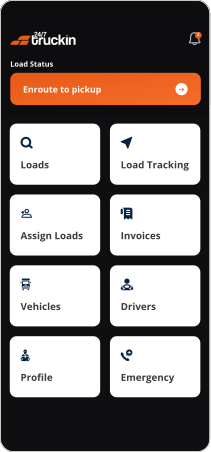
Our platform is designed to support independent truck drivers by providing access to a reliable load board, efficient freight contract management, and financial planning tools to maintain cash flow stability.
With features like real-time tracking, seamless paperwork handling, and strong broker connections, we make it easier for truckers to focus on growing their business while minimizing operational hurdles.
Whether you’re just starting or looking to scale, 24/7 Truckin equips you with the resources to drive your success forward. Explore how our platform can help streamline your operations and maximize your earning potential.