How Global Conflicts Are Disrupting Trucking and Freight in 2026
Global conflicts are no longer distant events that only affect international trade headlines. In 2026, they are directly shaping how freight moves, how much it costs, and how stable trucking operations remain.
The ongoing global freight disruption 2026 is affecting every layer of logistics, from ocean shipping to last-mile delivery.
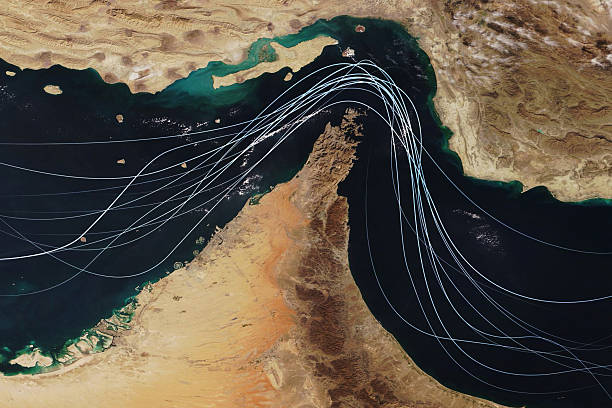
At the center of this shift is geopolitical tension in critical energy regions. The Strait of Hormuz, which handles a major portion of the world’s oil supply, has become a pressure point.
Any disruption here immediately impacts oil availability, which in turn affects transportation costs across the board. This is how a regional conflict escalates into a global supply chain crisis.
The result is a logistics environment that is less predictable and more expensive to operate in. Freight is still moving, but not with the same consistency or efficiency. Businesses that rely on stable transportation are now dealing with delays, fluctuating costs, and uncertain timelines.
What makes this situation more complex is the speed at which these changes are happening. Unlike traditional market shifts, geopolitical disruptions can impact fuel prices, freight demand, and route availability almost instantly.
This leaves little room for long-term planning and forces businesses to operate in a reactive mode.
________________________________________________________________________________________________
TL;DR:
- Global conflicts are disrupting fuel supply, shipping routes, and overall freight movement across markets.
- Rising diesel prices are increasing cost per mile and putting consistent pressure on trucking margins.
- Shipping delays are creating supply chain bottlenecks and making load availability unpredictable.
- Freight rates are rising, but higher operating costs are limiting real profit growth.
- Carriers, drivers, and brokers are facing a more volatile and harder-to-plan environment.
- Smarter routing, better load management, and real-time visibility are becoming critical for staying efficient.
________________________________________________________________________________________________
What Is Driving the Current Global Freight Disruption
The current global freight disruption 2026 is primarily driven by instability in key trade and energy corridors. Conflicts in the Middle East have raised concerns about the safety of shipping routes, particularly those connected to oil transport.
Why the Strait of Hormuz Matters
The Strait of Hormuz is one of the most important oil transit routes in the world. Around 20 percent of global oil supply passes through it. When tensions rise in this region, the risk of disruption increases, leading to immediate reactions in global markets.
Shipping companies often respond by rerouting vessels or delaying movement altogether. These decisions are not taken lightly, as they increase both time and cost. However, safety risks and insurance costs force companies to adapt quickly.
From Conflict to Freight Disruption
The connection between war impact supply chain conditions and trucking is direct. When oil flow is restricted, prices increase. Higher oil prices lead to higher diesel costs, which directly affect trucking fuel costs.
At the same time, shipping disruptions reduce the flow of goods into ports. This creates uneven freight distribution, where some regions face shortages while others experience backlog. This imbalance is a key factor behind the current global trade disruption.
Another important factor is uncertainty. Even when routes remain open, the risk of disruption causes hesitation in planning. Businesses delay shipments, carriers adjust routes frequently, and the entire system becomes less efficient.
Fuel Prices Are Increasing the Cost of Every Mile
One of the most immediate effects of the current situation is the fuel price increase trucking operations are experiencing. Oil prices have climbed significantly, reaching levels that put pressure on transportation budgets.
Diesel Price Surge and Its Direct Impact
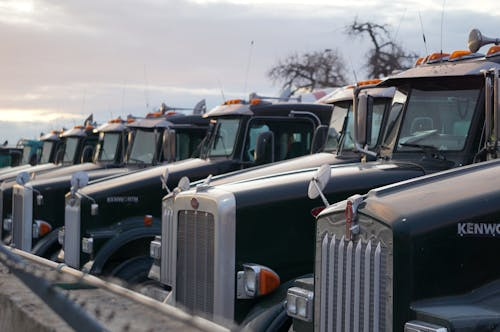
The diesel price surge is increasing the cost per mile for trucking companies. Fuel is one of the largest operational expenses, so even a small increase can significantly affect profitability.
For independent drivers and smaller fleets, this impact is even more pronounced. They often operate with tighter margins and have limited ability to absorb rising costs. In many cases, higher fuel prices force them to reject lower-paying loads or reduce their operating range.
Margin Pressure Across Small and Large Fleets
While freight rates 2026 have increased in response to these conditions, they are not enough to fully offset rising expenses. The combination of higher fuel costs and inefficiencies such as empty miles is creating sustained trucking margins pressure.
Larger fleets may have better negotiation power and fuel contracts, but they are still affected by volatility. Budgeting becomes more complex, and long-term contracts become harder to price accurately.
[Rising fuel costs are not just increasing expenses, they are reducing flexibility in how routes and loads are managed.]
Shipping Delays Are Creating Supply Chain Bottlenecks
Shipping delays 2026 are another major factor contributing to disruption. Conflict zones have forced vessels to change routes, increasing transit times and reducing overall efficiency.
Blocked Routes and Delayed Deliveries
Shipping route disruption leads to congestion at ports and delays in unloading. When goods do not arrive on time, the entire logistics chain is affected. These transport delays worldwide are creating challenges for businesses that rely on consistent delivery schedules.
Ports that are already operating near capacity are struggling to handle sudden surges in redirected shipments. This leads to longer waiting times, increased storage costs, and further delays in inland transportation.
How Delays Impact Trucking Loads
For trucking operations, this results in unpredictable load availability. Supply chain bottlenecks create sudden surges in freight followed by periods of low demand. This inconsistency makes it difficult to plan routes and allocate resources effectively.
Drivers may experience idle time waiting for loads, followed by periods of intense activity. This imbalance reduces efficiency and increases operational stress.
[Delays in ocean shipping do not stay at sea. They directly impact trucking schedules and load availability.]
Freight Rates Are Rising, but Stability Is Not
Freight rates 2026 have increased significantly, with some routes seeing a 30 to 50 percent rise. However, higher rates do not necessarily mean better outcomes for carriers.
Why Higher Rates Do Not Mean Higher Profits
Freight cost increase trends are being offset by rising operational costs. Fuel, delays, and inefficiencies reduce the overall benefit of higher rates, leaving profit margins under pressure.
Carriers are also dealing with inconsistent load availability, which means higher rates are not always sustainable across all routes.
Market Volatility and Load Pricing Changes
Load pricing changes are happening more frequently due to unstable market conditions. Carriers and brokers must constantly adjust pricing, making long-term planning more difficult.
Short-term gains may occur, but the lack of stability makes it difficult to maintain consistent profitability.
[Higher rates can improve revenue, but without cost control, they do not guarantee higher profit.]
What This Means for Drivers, Fleets, and Brokers
Logistics disruptions 2026 are affecting every participant in the trucking ecosystem.
Drivers
Drivers are facing higher fuel costs and less predictable work. Freight demand shift patterns mean that load availability can change quickly, making it harder to maintain a steady income.
Fleets
Fleets are dealing with increased expenses and planning challenges. Managing operations efficiently requires more effort when both costs and demand are fluctuating.
Brokers
Brokers are under pressure to balance pricing with availability. Matching loads efficiently is more complex in an unstable environment.
This environment requires faster decision-making and better coordination across all parties involved.
How Smarter Operations Can Reduce the Impact
While global events cannot be controlled, operational efficiency can help reduce their impact. Companies that adapt quickly are better positioned to handle disruption.
Optimizing Routes to Cut Fuel Costs
Reducing unnecessary miles is one of the most effective ways to control trucking fuel costs. Efficient routing helps improve margins and reduce exposure to rising fuel prices.
Using Real-Time Data for Better Decisions
Access to real-time data improves visibility and allows businesses to respond quickly to changes. This includes adjusting routes, managing delays, and improving load matching.
[Real-time visibility helps reduce empty miles and improves overall efficiency in unstable conditions.]
The Future of Freight in an Uncertain Global Market
The current global supply chain crisis is unlikely to resolve in the short term. Ongoing geopolitical tensions and economic pressures suggest continued instability. And the global freight disruptions 2026 will continue.
Long-Term Industry Shifts
The industry is shifting toward more flexible and resilient operations. Businesses are investing in technology to manage uncertainty and improve decision-making. The logistics inflation impact is pushing companies to rethink traditional approaches.
How 24/7 Truckin Helps You Stay Ahead of Disruptions
In a volatile market, the ability to adapt quickly is essential. Visibility and efficiency are becoming key factors in maintaining stable operations.
Staying Efficient in a Volatile Market
24/7 Truckin helps improve operational control through real-time tracking and smarter load management. These capabilities allow businesses to reduce inefficiencies, respond to changes, and maintain better performance despite ongoing disruption.
Talk to us today to streamline your Freight operations.
As global freight disruption 2026 continues to evolve, businesses that focus on efficiency and visibility will be better equipped to manage challenges and maintain consistent results.