ELD Compliance Updates in 2026
The trucking industry continues to evolve as regulators strengthen safety and compliance standards across U.S. highways.
Electronic Logging Devices have already transformed how driver hours are tracked, but enforcement practices and technology capabilities continue to advance.
For owner-operators and carriers, understanding ELD compliance 2026 requirements is essential for avoiding violations, maintaining operational efficiency, and ensuring that drivers remain compliant with federal safety rules.
Electronic logging systems are no longer just regulatory tools. They have become an essential part of modern fleet operations, helping drivers manage schedules, maintain accurate records, and operate more efficiently.
[Staying compliant with ELD regulations protects drivers from costly violations and keeps freight operations running smoothly.]
Understanding ELD Compliance in Modern Trucking
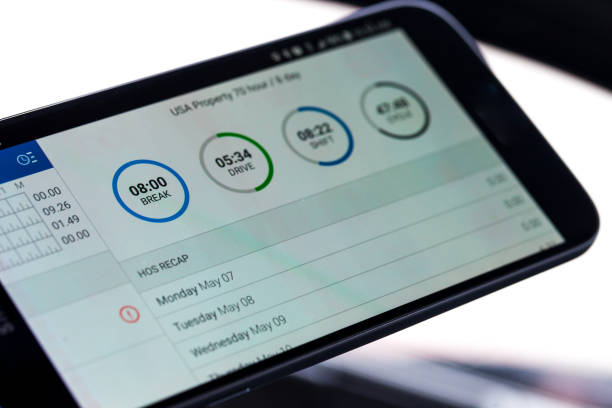
Electronic Logging Devices automatically record a driver’s driving time and duty status. These systems connect directly to a vehicle’s engine and capture information such as vehicle movement, engine hours, and location data.
The Federal Motor Carrier Safety Administration introduced the ELD mandate to replace paper logs and improve transparency across the trucking industry.
ELD compliance serves several important purposes:
- Ensuring accurate recording of driving hours
- Preventing driver fatigue caused by excessive driving time
- Standardizing log records across carriers and fleets
- Improving overall highway safety
For drivers and fleets, ELD systems reduce the risk of manual logging errors and provide consistent documentation during roadside inspections.
Accurate digital logs also allow carriers to better manage scheduling and route planning, which improves operational coordination between drivers and dispatch teams.
How ELD Enforcement Is Increasing in 2026
Regulatory enforcement remains a key focus across the trucking industry. Roadside inspections and weigh station checks frequently include reviewing electronic logs to confirm that drivers are following Hours of Service regulations.
In 2026, enforcement agencies continue to prioritize:
- Verifying ELD device compliance during inspections
- Reviewing driver log accuracy
- Checking for tampering or improper log editing
- Monitoring hours of service violations
Drivers who fail to maintain compliant electronic logs may face penalties that affect both their schedule and income.
Common consequences of ELD violations include:
- Financial fines
- Out-of-service orders
- Delays at inspection checkpoints
- Increased audit risk for carriers
Because inspections can happen at any time, drivers must ensure that their ELD records remain accurate and updated throughout their shifts.
[Accurate ELD logs can prevent roadside inspection delays and help drivers stay on schedule.]
Key Features Modern ELD Systems Now Provide
ELD technology has evolved significantly since the initial mandate was introduced. Today’s systems provide far more functionality than simple electronic logging.
Modern ELD platforms often include:
- Real-time vehicle tracking
- Automated duty status updates
- Driver performance monitoring
- Fleet management integration
- Maintenance and vehicle diagnostics
These features allow carriers to manage operations more effectively while ensuring regulatory compliance.
For drivers, improved system interfaces make it easier to review logs, switch duty status, and identify upcoming driving limits before violations occur.
By combining compliance monitoring with operational tools, ELD systems help carriers maintain safer and more efficient operations.
Common ELD Compliance Mistakes Drivers Should Avoid
Even with advanced digital systems, compliance issues still occur. Many violations happen because drivers misunderstand how ELD systems record activity or fail to monitor their logs regularly.
Some of the most common compliance mistakes include:
- Forgetting to change duty status during breaks
- Logging incorrect off-duty periods
- Ignoring system alerts for Hours of Service limits
- Continuing to operate with a malfunctioning ELD device
Drivers should regularly review their electronic logs to confirm that duty status entries are correct.
Understanding how ELD systems interpret driving activity helps prevent unintentional violations that could result in penalties.
[Regularly reviewing your electronic logs is one of the simplest ways to prevent ELD violations.]
How ELD Data Improves Fleet Efficiency
While ELD systems were initially designed for regulatory compliance, the data they generate provides valuable operational insights for carriers and fleet managers.
ELD data can help companies:
- Monitor driver productivity
- Reduce unnecessary idle time
- Improve route planning efficiency
- Identify operational inefficiencies
For small fleets and independent operators, this data provides a clearer picture of daily operations.
Carriers can use these insights to improve scheduling, reduce fuel consumption, and make better decisions about route planning and load selection.
As the trucking industry becomes increasingly data-driven, ELD systems play an important role in improving operational performance.
Preparing for Future Compliance Requirements
The regulatory landscape for trucking continues to evolve as technology becomes more integrated into logistics operations. Industry experts expect deeper connections between ELD systems, telematics platforms, and fleet management software in the coming years.
Future compliance developments may include:
- Enhanced driver safety monitoring systems
- Integration with fleet telematics data
- Expanded inspection verification tools
- Increased automation in compliance reporting
Carriers who adopt modern compliance technology early will be better positioned to adapt as regulations evolve.
Staying informed about compliance requirements ensures that drivers and fleets remain prepared for future regulatory updates.
Frequently Asked Questions:
What is the purpose of an Electronic Logging Device?
An Electronic Logging Device automatically records driving time and duty status to ensure drivers follow Hours of Service regulations.
The system connects to a vehicle’s engine and tracks driving activity, helping regulators and carriers verify compliance with safety standards.
Who must use an ELD in the trucking industry?
Most commercial drivers who are required to maintain Records of Duty Status must use an ELD. This includes drivers operating commercial motor vehicles that fall under federal Hours of Service regulations.
Are any drivers exempt from ELD requirements?
Certain drivers may qualify for exemptions. These can include drivers operating vehicles older than model year 2000, drivers using short-haul exemptions, and those who maintain paper logs for fewer than a limited number of days per year.
What should a driver do if an ELD stops working?
If an ELD malfunctions, drivers must note the issue and switch to paper logs until the device is repaired or replaced. Regulations typically require carriers to fix the device within a specific timeframe.
How long must ELD records be kept?
Carriers are generally required to keep ELD records and supporting documentation for at least six months. These records may be requested during audits or compliance reviews.
Simplifying Trucking Operations with the Right Platform
Managing loads, coordinating routes, and staying compliant with regulations requires reliable digital tools. Drivers and carriers benefit from platforms that streamline operations while providing better visibility across their freight activity.
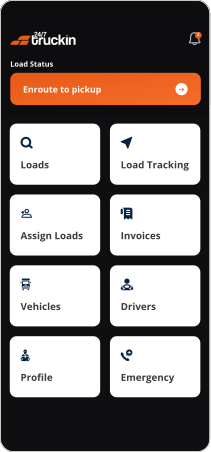
24/7 Truckin provides an all-in-one load board platform designed to help drivers, brokers, and owner-operators locate freight opportunities, manage shipments, and coordinate logistics more efficiently.
By combining freight discovery, shipment tracking, and load management tools in one platform, drivers can focus on keeping trucks moving while maintaining full visibility into their operations.
Contact us today to learn more about us.